
A little care goes a long way.
Tell us what needs packing, from everyday essentials to fragile pieces, so the right support can be considered.
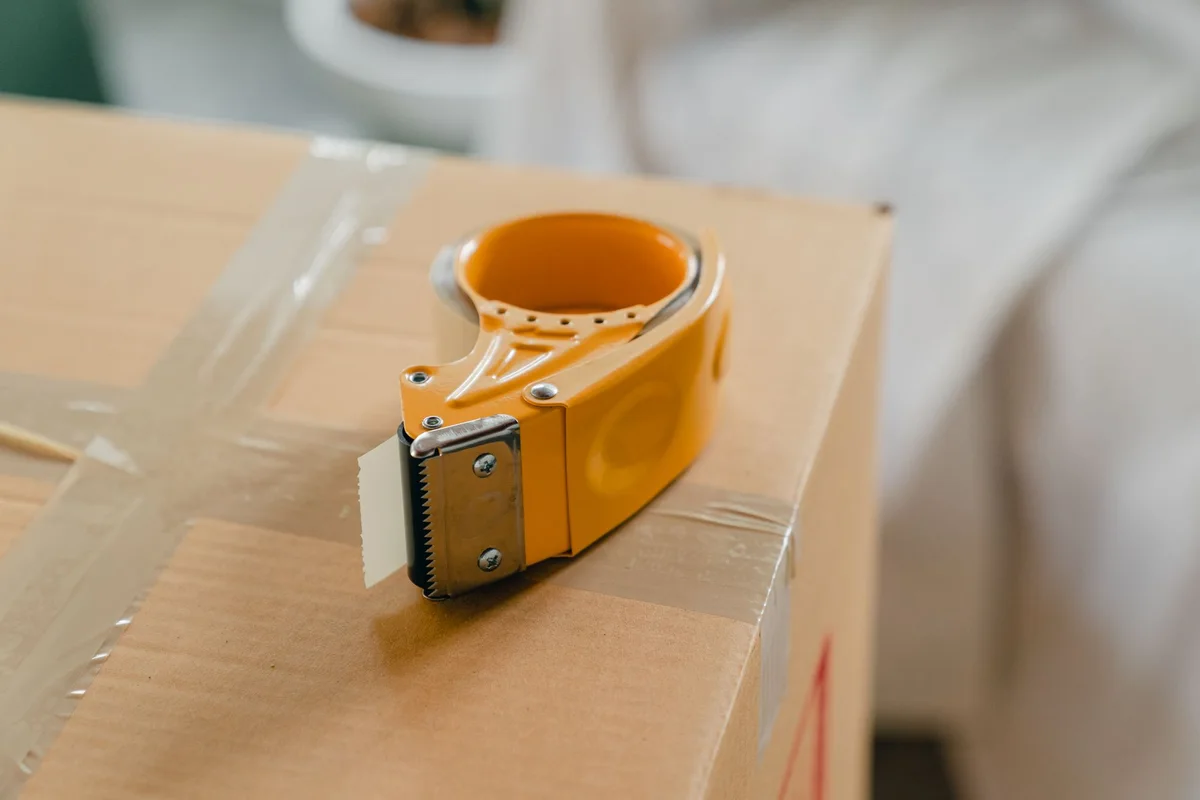
Proposed service. Availability and coverage require confirmation before a booking.
Good preparation gives every item a clearer journey.
Packing starts with understanding what is inside the room. Books, glassware, artwork and everyday kitchen items do not all need the same approach. A useful packing brief describes the materials, the quantities and the pieces that deserve extra care.
Decide which rooms or items you want help preparing and what you will pack yourself. Record questions about materials and unpacking rather than assuming they are included. The final packing scope needs a review before the work can be confirmed.
Discuss your plansStart with a room, then a category.
Group items by their destination and handling needs. Keep heavy objects in manageable containers and avoid mixing loose fragile pieces with dense items. Describe the quantity of books, kitchenware, clothing and decorative objects so that the brief reflects the actual contents.
Make space to work and separate the things that should not be packed. Important documents, medication, keys and immediate essentials are best kept in your own clearly identified bag.
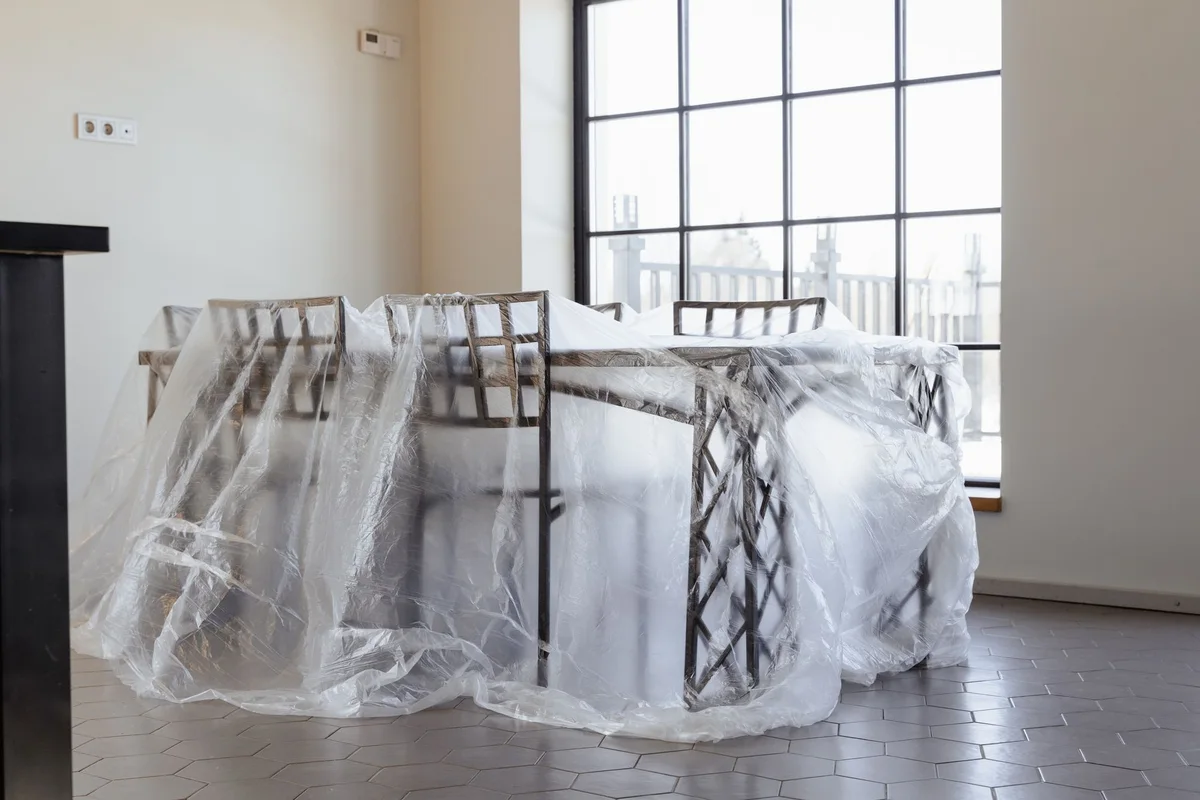
Make fragile items easy to identify.
List mirrors, glass, artwork and unusual shapes individually. Dimensions and photographs can help explain a piece, but do not replace an assessment of its condition and handling needs. Original manufacturer packaging may be useful for some items.
Discuss the type of protection, who supplies materials and whether any specialist preparation is required. Do not pack restricted, hazardous or temperature sensitive items without first checking the agreed handling rules. Labels should describe the room and the care needed without revealing private information.
See the steps.
Bring the details.
A visual guide to preparing a request.
Each booking follows its own agreed scope.
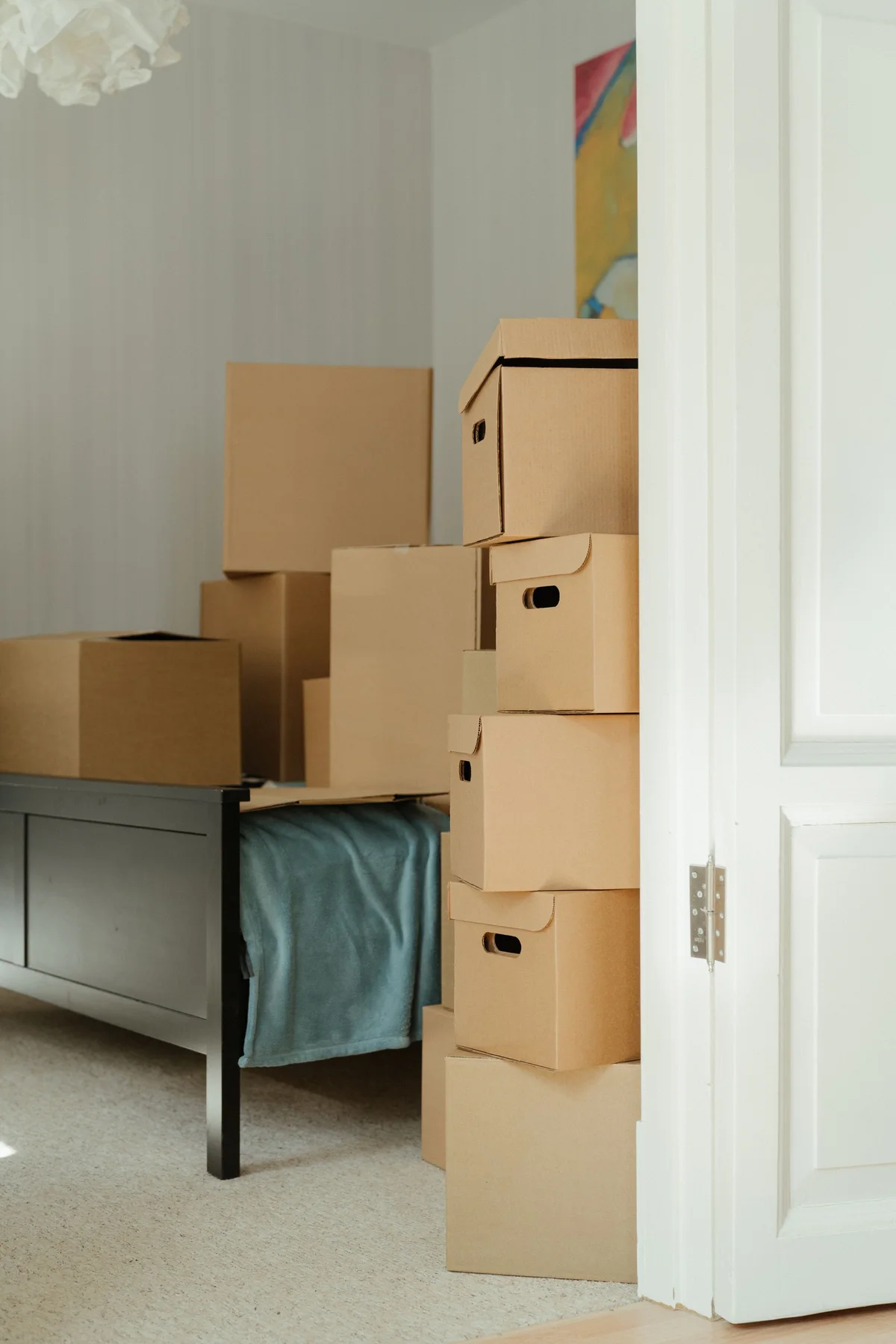
Illustrative stock photography 01Choose the packing scope
Decide between selected items, particular rooms or a broader packing request. Make a separate list of what you will prepare yourself.
Illustrative stock photography 02Describe what needs care
Flag fragile pieces, unusual shapes and valuable belongings. Include dimensions and useful photographs where appropriate.
Illustrative stock photography 03Discuss materials and labels
Confirm material requirements, room labels and responsibilities. Ask about exclusions and specialist items before agreeing the work.
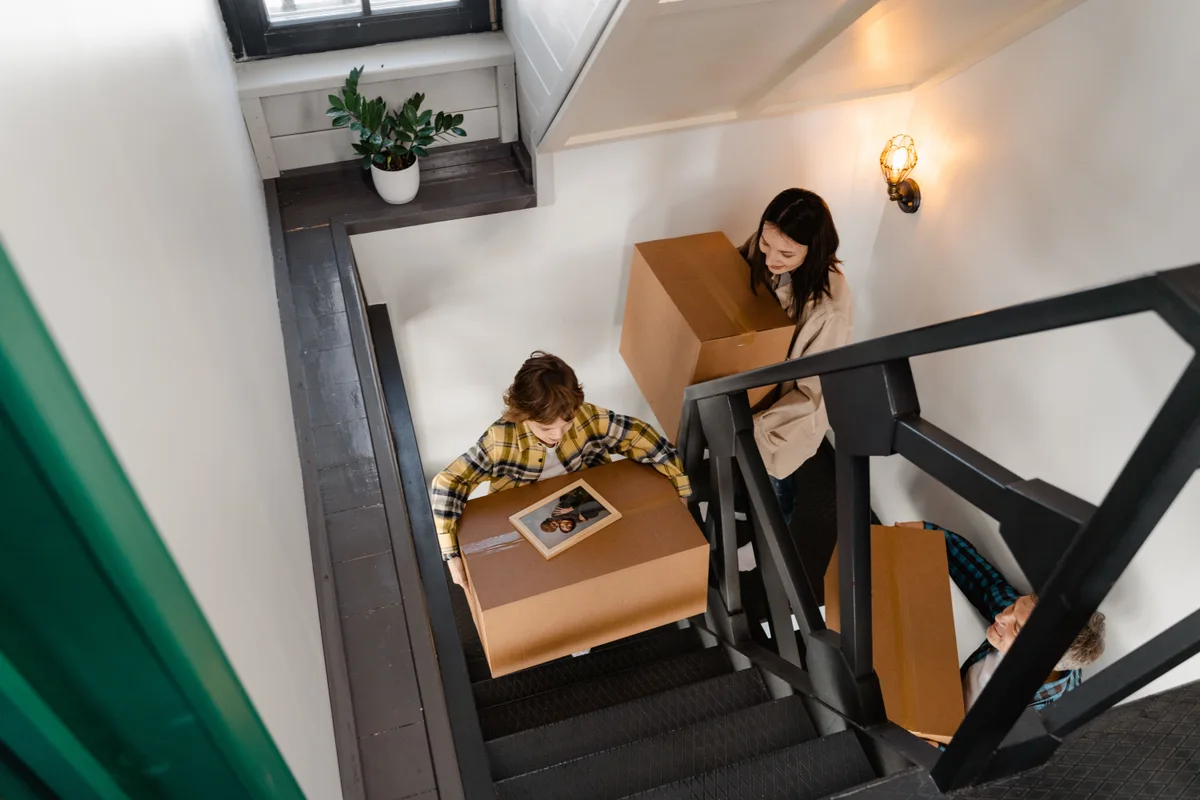
Illustrative stock photography 04Keep essentials close
Set aside the items you need during the transition. Keep an inventory and make destination labels easy to read.

A little preparation.
A much clearer brief.
Gather what you know. Leave a note where you need guidance. A complete request helps identify questions before an estimate is prepared.
Talk through a question ↗- 01Rooms and categories to be packed
- 02Approximate quantities and dimensions
- 03Fragile items and original packaging
- 04Questions about materials and specialist protection
- 05Items you will pack or carry yourself
- 06Destination labels and an essentials bag
Good questions.
Useful answers.
Describe the rooms or specific items you want included. The packing scope can then be reviewed around your actual request.
Materials, quantities and any charges must be discussed as part of the agreed scope. Do not assume that a general request includes every type of packaging.
Keep medication, identification, keys, chargers and essential personal items accessible. Ask about restricted or hazardous contents before packing them for transport.
Make room for the next step.
Let’s carry
what’s next.
Big plans start with a simple conversation.
Tell us what you have in mind.